Choosing Between Hernando Beach Canal and Gulf Access
Trying to choose between a canal home and direct Gulf access in Hernando Beach? If you boat, fish, or simply want to live on the water, the differences matter in your daily routine and long-term value. You want the right fit for your boat, your budget, and your lifestyle. In this guide, you will learn how canal and Gulf-front options compare for access, maintenance, insurance, and resale, plus what to verify before you buy or sell. Let’s dive in.
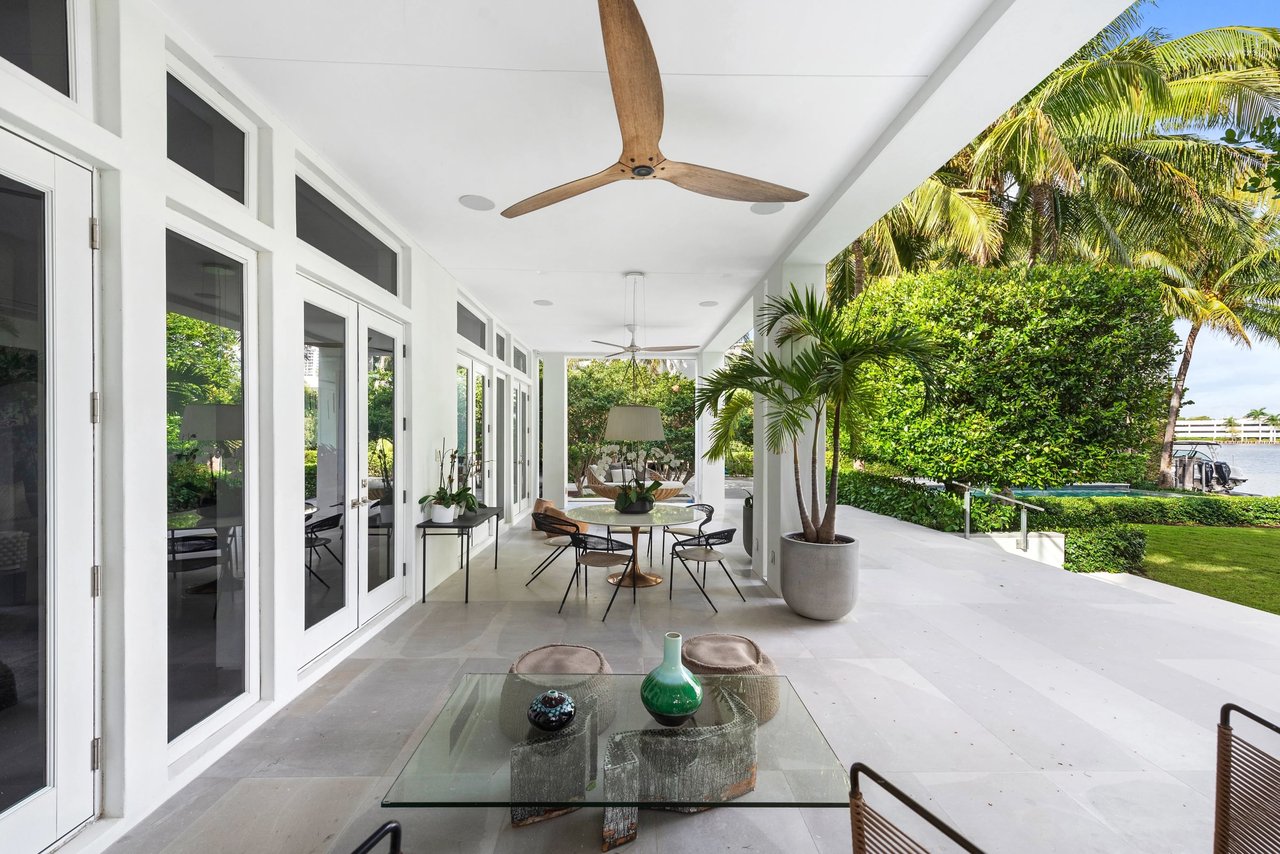
Hernando Beach is a Gulf-coast community with homes on open Gulf water and homes along a network of canals that connect to the Gulf. The details vary block by block, so you should always verify the facts for a specific property.
Tip: Two homes on the same street can have very different access. Ask for specifics on the canal name, depths at mean low tide, and route to the Gulf.
For any property, request a map of the route to open water and plan a test run at different tides.
Open channels typically support larger center consoles and cruisers. Restricted canals may fit smaller center consoles, flats boats, or skiffs. Verify depth at mean low tide and any bridge clearances along your route.
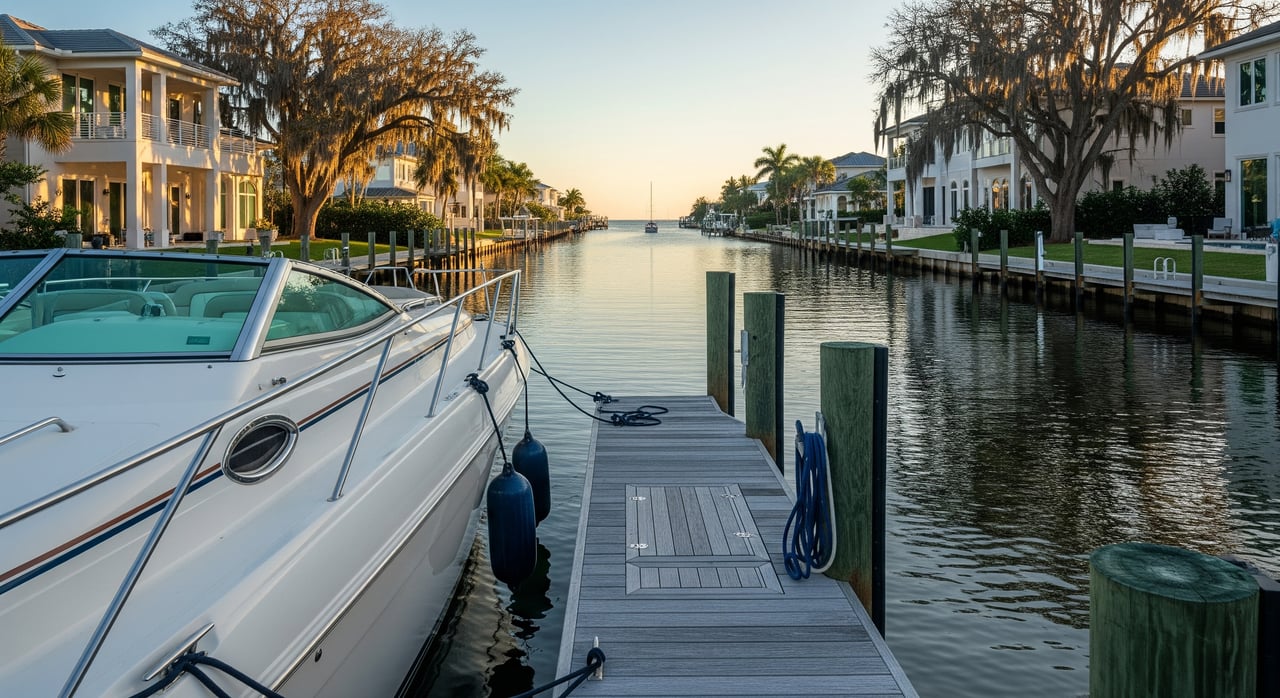
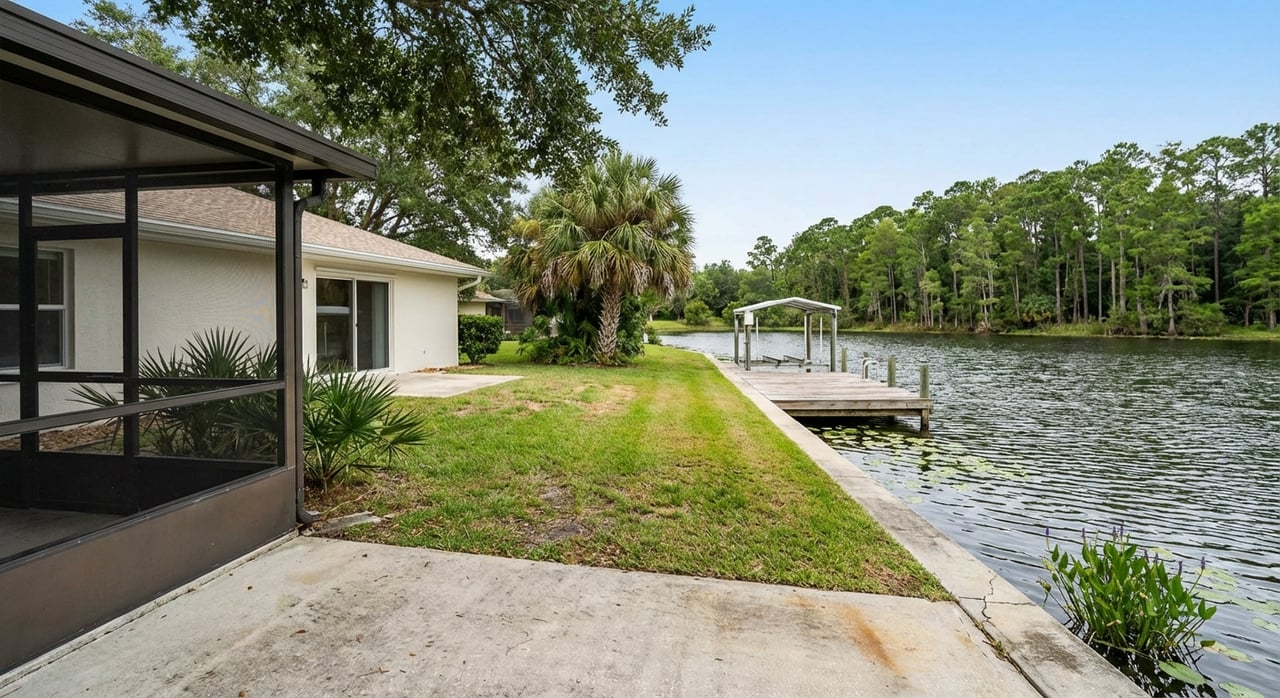
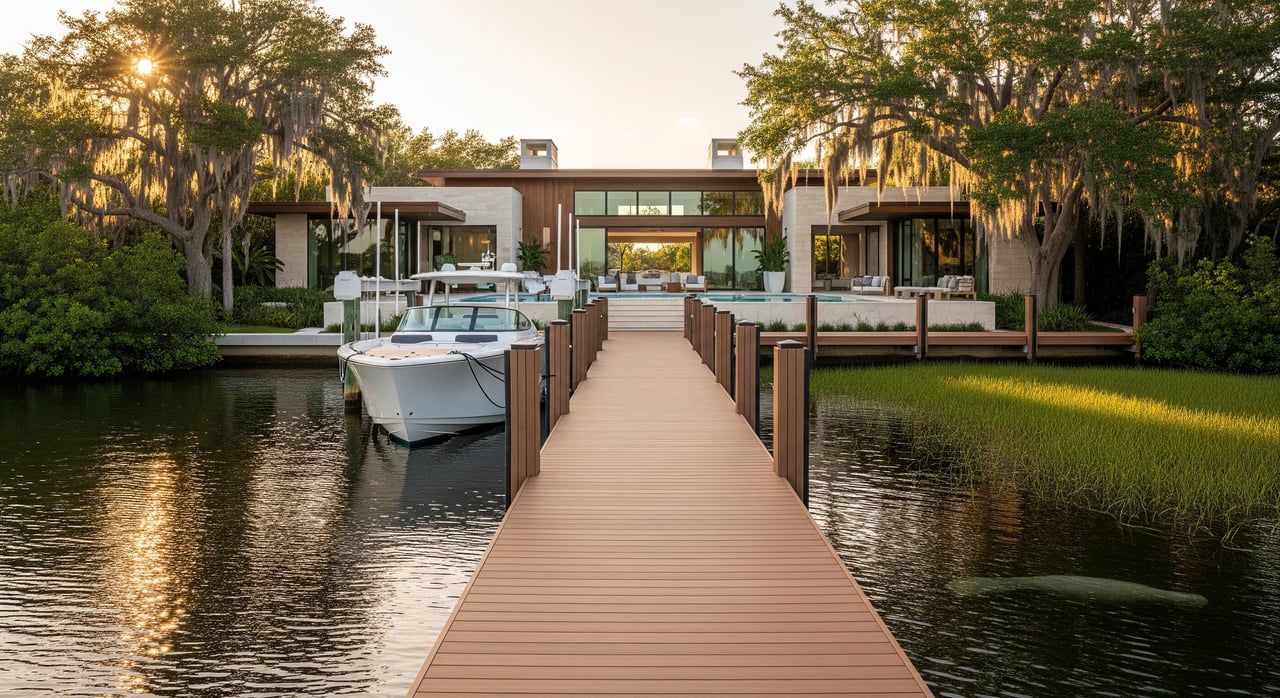
Gulf-front docks may face more wave action and need heavier construction. Canal docks often align along the channel with easier day-to-day use. The presence and condition of a lift can be a major convenience and value driver.
Running narrow canals after dark requires attention to channel markers and local lighting. Direct Gulf-front access reduces the time spent in tight channels at night. If you plan early launches or late returns, factor this into your choice.
If you prefer trailering or seasonal storage, consider proximity to public ramps or marinas. Daily convenience often comes down to how quickly you can get from driveway to water.
Seawalls matter for both canal and Gulf-front homes. Condition and permit history are critical because repairs can be major capital items. Ask for inspection reports and any recent repairs or replacements.
Older docks may need replacement or upgrades. A reliable lift adds convenience and can reduce wear on your boat. Confirm any utility lines, riparian rights, or recorded easements that may affect how and where you can build.
Canals can shoal over time. Dredging schedules, who is responsible, and any history of private or municipal dredging affect usability and cost. Ask for documentation and neighbor insights.
Flood insurance requirements and premiums are based on FEMA flood maps and your property’s elevation. Gulf-front locations can fall in higher-risk zones such as AE or VE. Ask for the elevation certificate and current policy details.
Gulf-front homes are more exposed to storm surge and wave action. Canal homes can be more sheltered, yet surge and wind-driven water still affect them. Construction quality and shoreline protection matter on both.
Insurers look at exposure, dock construction, and historic claims. Your boat’s insurer may have requirements for lifts, mooring, or build quality. Get quotes early and provide inspection reports to speed underwriting.
Seawall and dock work typically needs county and state permits. Confirm that past work was permitted and closed out properly. Keep records handy when you sell.
Boat speed zones, including manatee protection areas, may limit speed through certain canals and channels. Expect no-wake sections that affect travel time.
Neighborhood covenants can regulate dock size, lift height, and rentals. Always review HOA or deed restrictions before you write an offer.
Gulf-front gives you instant access to open water and broad sightlines, which is great for offshore or nearshore runs. Canals are often calmer, which can be better for small-boat fishing, kayaking, paddleboarding, and for families who want easier water entry.
Gulf-front lots often offer wider views and, depending on spacing, more privacy. Canal homes may face other docks across the channel, with more neighbor activity visible day to day.
Homes near popular ramps, marinas, or cruising routes may see more boat traffic and noise on weekends and holidays. Location within the canal network matters.
A well-improved canal property with a strong dock and lift in a desirable area can sometimes outprice a marginal Gulf-front lot. Always compare recent local sales and factor in marine infrastructure.
If you run early and often, value short transit, and own a moderate to larger center console, Gulf-front or open-Gulf canal access will fit best. Look for documented depths, minimal obstructions, and a solid lift.
If your focus is inshore species, paddle craft, and calm water for kids, a canal home with manageable traffic can be ideal. Restricted access can be a good match if your boat has shallow draft and you time the tides.
If views matter most and your boat use is light or seasonal, consider Gulf-front or non-navigable frontage. You get scenery and wildlife with less daily boat traffic, and you can still trailer to a ramp when you want to go.
Gulf-front and open-Gulf canal homes often attract strong short-term rental interest. Confirm local rules and HOA covenants before you factor rental income into your plan.
Use this list to organize the right documents and questions. Ask for professional inspections where applicable.
Before you write an offer, gather official maps, permits, and inspections. Consult FEMA flood maps for zoning and elevation, check tide and depth resources for your route, confirm any permit history for seawalls and docks, and review wildlife and speed-zone rules that affect daily boating. When you list, prepare this documentation to build buyer confidence and support value.
If you want tailored guidance on a specific home or canal, schedule a conversation with a local expert. For neighborhood-level insight, pricing, and a clear plan from search through closing, connect with Michael Brown. Schedule a free consultation.
Stay up to date on the latest real estate trends.
Work with top real estate experts in Florida. Whether you're buying or selling a home, they’re here to help. Get in touch today to begin your home search!