Thinking about a move to Inverness and trying to pin down what it really costs to live there? You are not alone. Many buyers, retirees, and second-home shoppers compare Inverness with nearby towns like Lake Panasoffkee as they explore Florida’s Nature Coast. In this guide, you will learn how to budget for housing, insurance, utilities, transportation, health care, and everyday living, plus what changes when you cross county lines. Let’s dive in.
Start with county context
Inverness sits in Citrus County, while Lake Panasoffkee is in Sumter County. That matters because property taxes, insurance market dynamics, utility providers, and local fees can vary by county. Before you finalize a budget, compare specifics for the county where you plan to live and verify neighborhood details for the exact property you are considering.
Housing costs: what drives price
Inverness offers a mix of historic downtown homes, lakefront properties, suburban neighborhoods, 55-plus communities, manufactured housing, and rural acreage. Prices shift with location, condition and age of the home, flood zone or elevation, and access to amenities like trails and lakes.
Common property types in Inverness
- Downtown or near-town single-family homes: Walkable to shops and services, often older construction. Convenience can reduce transportation costs.
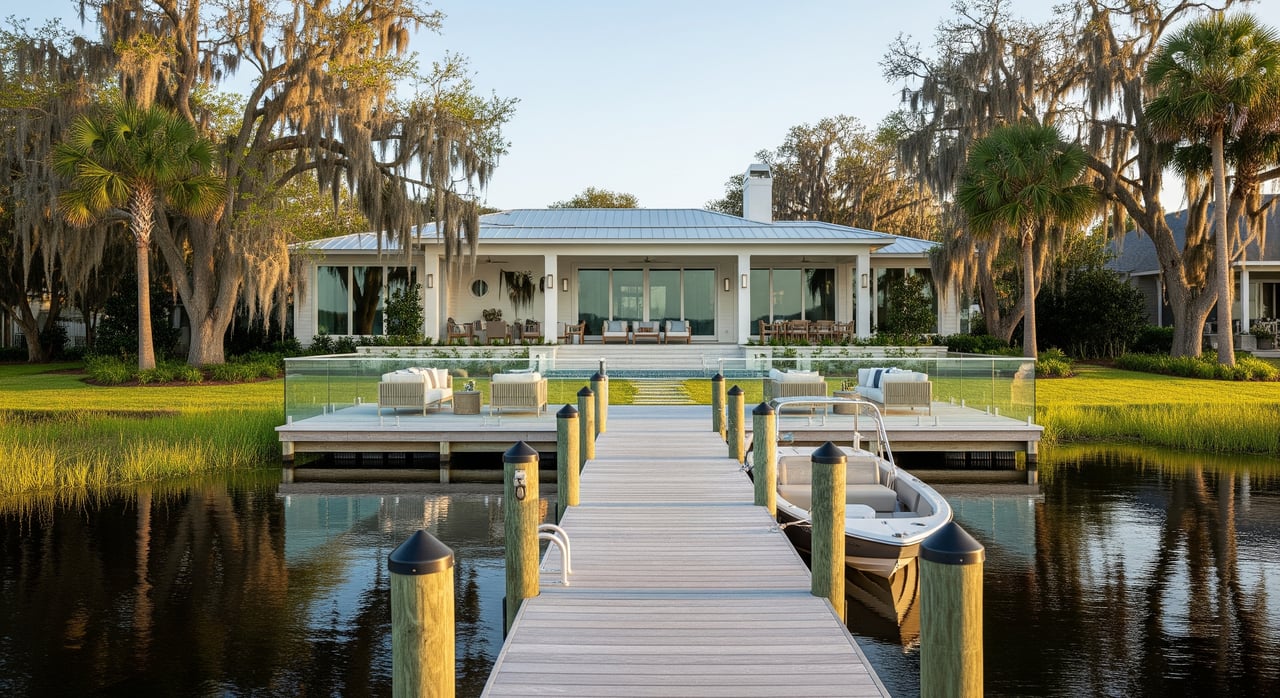
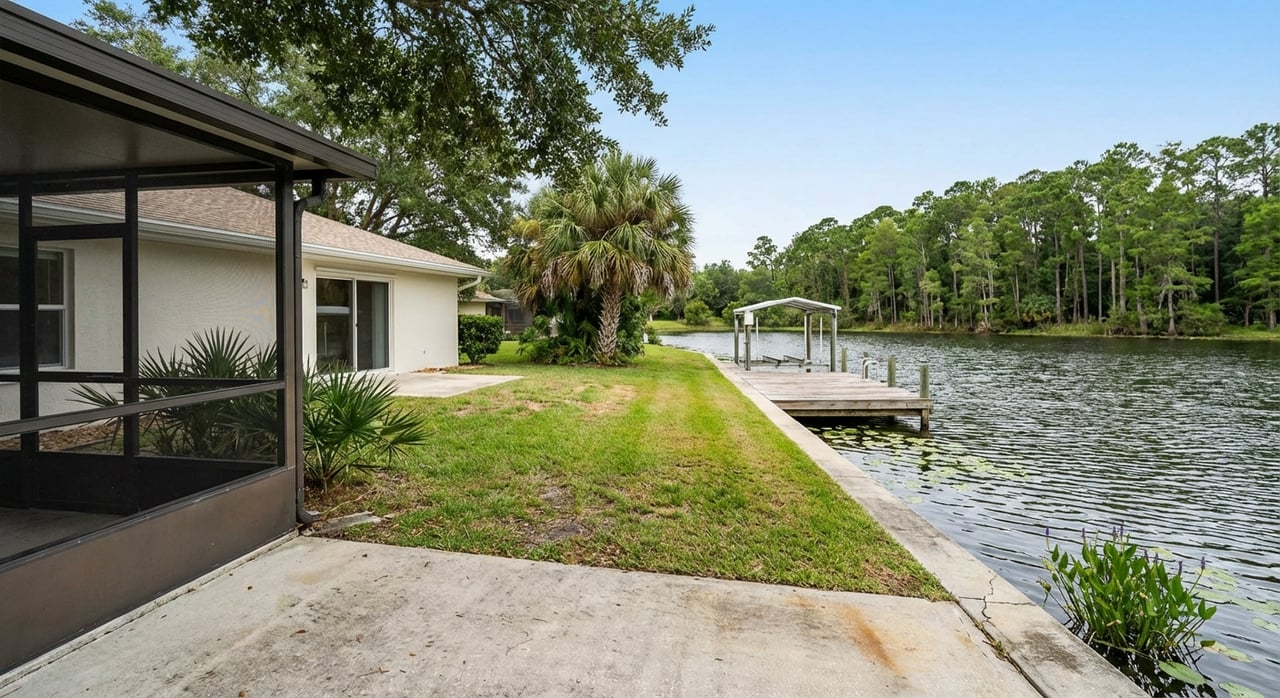
- Lakefront homes: Typically higher purchase price with added insurance and maintenance considerations due to flood and wind exposure.
- Suburban single-family on modest lots: A common and balanced choice for value and convenience.
- Manufactured homes and mobile home parks: Lower entry cost, but confirm park rules, lot rent, and financing terms.
- 55-plus and retirement communities: HOA fees are common, but services and amenities can simplify monthly budgeting.
- Rural acreage or farm properties: Lower per-acre cost, but plan for upkeep, equipment, and well or septic maintenance where applicable.
Price ranges to verify
Rather than anchor to a single median, check live market data the day you budget. A practical way to frame Inverness options:
- Entry-level 1–2 bedroom options: Often older condos or mobile/manufactured homes.
- Typical 2–3 bedroom single-family: In-town or suburban properties in average condition.
- Waterfront or renovated homes: Premium properties with features, larger lots, or lake access.
How to pull current prices
- Search major portals for “Inverness, FL median sale price” and filter for the last 12 months.
- Review recent sales via the Citrus County property appraiser to cross-check prices and assessed values.
- Ask a local agent to provide active and pending inventory with days on market and price bands by property type.
Property taxes and exemptions
Citrus County property taxes are set by county and local millage rates and applied to assessed values. If you make the property your primary Florida residence, the Homestead exemption can reduce your taxable value and help limit future increases through Save Our Homes. Budget tip: request a property tax estimate for the specific home you are considering and confirm any exemptions you qualify for before closing.
What to do next:
- Ask the seller or listing agent for the current tax bill and any exemptions on file.
- Use county tools to estimate taxes on your expected purchase price.
- If you are comparing Lake Panasoffkee, repeat the same steps with Sumter County so you are comparing apples to apples.
Homeowners insurance: plan for Florida realities
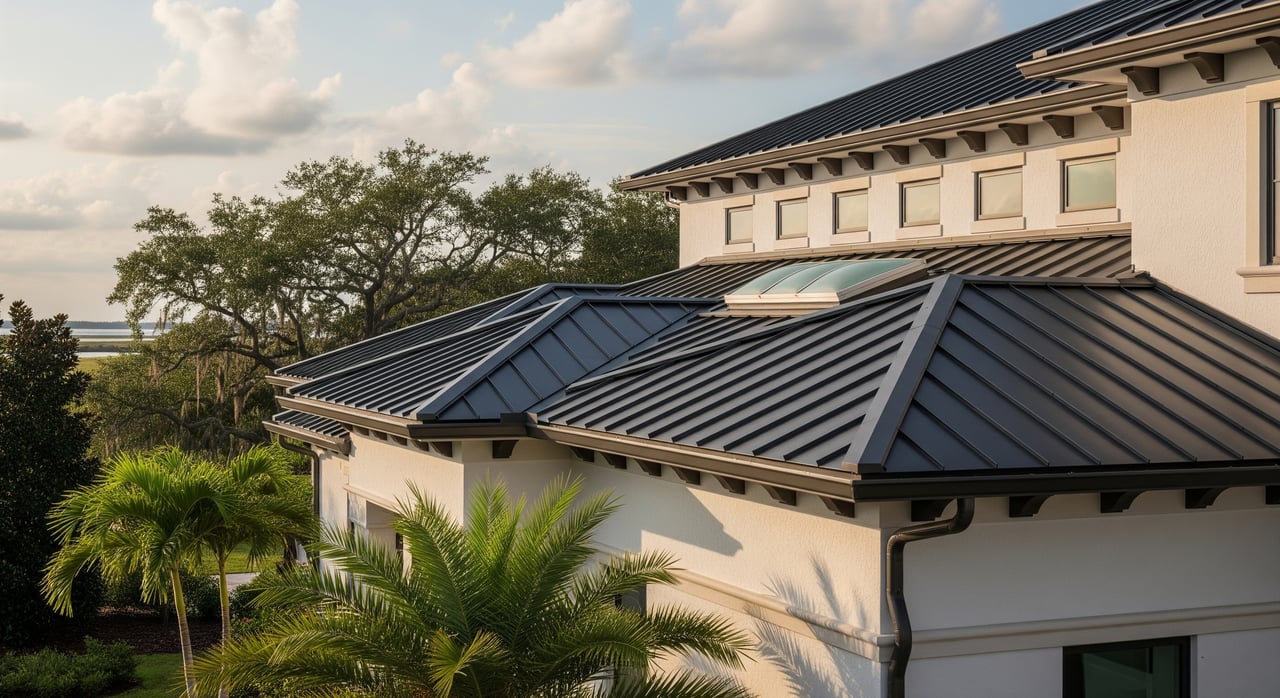
Florida’s homeowners insurance market can be volatile. Premiums are often higher than inland states, reflecting hurricane, wind, and sinkhole risk. Insurers may require wind mitigation features, and you can sometimes earn credits for items like a hip roof, specific roof-to-wall connections, shutters, and newer roof age with proper documentation.
Key tips:
- Get multiple local quotes early in your home search and verify insurer stability.
- Ask for a wind mitigation inspection to potentially reduce premiums.
- Understand Citizens Property Insurance, the state’s insurer of last resort, as a backstop if you cannot find a private policy, keeping in mind it may offer fewer options and could cost more.
Flood insurance and elevation
Flood exposure varies, especially near lakes and low-lying areas. If a home is in a Special Flood Hazard Area, a lender will require flood insurance. Premiums for the National Flood Insurance Program and private flood insurers can vary with elevation, construction type, and mitigation. Elevation certificates and steps like raising utilities can help lower costs.
Action items:
- Check the property’s FEMA flood zone early in your search.
- If the home is near water or in a lower elevation area, request prior flood insurance history and any elevation or mitigation documents.
- Get quotes from both NFIP and private flood insurers to compare coverage and cost.
Monthly utilities and services
Florida households use more electricity in summer due to air conditioning. Utility providers can differ by neighborhood, and some areas use municipal water and sewer while rural homes may rely on well and septic.
Budget categories to plan for:
- Electric
- Water and sewer or well and septic maintenance
- Trash and recycling
- Internet and TV streaming or cable
- Irrigation or propane where applicable
Pro tip: request 12 months of seller utility statements for a realistic baseline and ask the local utility about average monthly usage for the address.
Maintenance and age of homes
Many Inverness homes are older ranch-style properties. That can mean near-term updates such as roof, HVAC, plumbing, or electrical work. A simple rule-of-thumb is to set aside a maintenance reserve each year, especially in the first few years after purchase.
Practical steps:
- Order a full home inspection and separate roof and HVAC evaluations.
- Ask about the age of major systems and any recent insurance claims.
- Build a monthly reserve line item for ongoing upkeep and unexpected repairs.
Transportation: car-dependent living
Inverness is largely car-dependent with limited public transit coverage. Most households budget for one or two vehicles. Fuel, insurance, and maintenance can add up, and Florida auto insurance rates are often above the national average.
Consider:
- Whether you plan to live in a walkable downtown-adjacent area or will be driving for most errands.
- Occasional trip costs to larger metro airports and medical centers. If you travel often, increased mileage and parking can affect your monthly budget.
- Using a standard driving cost calculator to estimate your annual vehicle costs with local fuel prices and mileage.
Health care and long-term planning for retirees
Retirees should budget for Medicare premiums, Medigap or Medicare Advantage, prescriptions, and routine co-pays. If you anticipate in-home care or assisted living in the future, factor those costs into your long-range plan. Proximity to primary care and urgent care can also influence where you buy, especially if you want to minimize driving time for appointments.
How to prepare:
- List your monthly health premiums and typical prescription costs.
- Map out routine care providers and potential specialists.
- Consider the tradeoff between walkability to medical services and a lakefront lifestyle with higher insurance exposure.
Everyday living and seasonal patterns
Groceries, dining, and personal services in Inverness are generally lower than in big metro areas, but your lifestyle drives the final number. Boating, fishing, and outdoor recreation can be affordable pastimes, though gear, storage, and fuel still belong in your budget. Seasonal demand from snowbirds can increase wait times and prices for some services during peak months, so plan ahead for reservations and projects.
One-time moving and setup costs
Do not overlook upfront expenses. These can be significant in Florida and will vary by property and loan type.
Include these line items:
- Closing costs and prepaid items
- Home inspection, wind mitigation, and four-point inspection if needed
- Survey and elevation certificate where applicable
- Immediate repairs, paint, flooring, or appliance upgrades
- Flood mitigation steps if near water
- Initial setup for utilities, internet, and security
Neighborhood types and your budget
Different parts of Inverness affect costs in different ways. Use this guide to focus your questions and plan for what matters to you.
Downtown and central Inverness
- Typical buyer: Anyone who values walkability and quick access to shops and services.
- Cost levers: Purchase price for convenience, potentially lower transportation costs, older-home maintenance.
- Ask the seller or agent: Age of roof and HVAC, recent electrical or plumbing updates, and average utility bills.
Lakefront and waterfront
- Typical buyer: Lifestyle-driven buyers who want views, boating, or fishing.
- Cost levers: Higher homeowners and flood insurance, shoreline maintenance, possible dock care.
- Ask the seller or agent: Flood zone and elevation, prior flood claims, wind mitigation features, and premium history.
Suburban and back-of-town neighborhoods
- Typical buyer: Value-focused households balancing price and convenience.
- Cost levers: Commuting costs, HOA fees if applicable, age of systems.
- Ask the seller or agent: Utility averages, HOA rules and fees, and any special assessments.
55-plus and retirement communities
- Typical buyer: Retirees seeking amenities and maintenance services.
- Cost levers: Predictable HOA fees, potential bundled services, insurance discounts for newer construction.
- Ask the seller or agent: Full HOA fee schedule, covered services, and community rules.
Rural acreage and agricultural parcels
- Typical buyer: Buyers wanting privacy, space, or hobby farming.
- Cost levers: Well and septic maintenance, equipment and road access, fuel and travel time.
- Ask the seller or agent: Recent well and septic service records, access and easements, and average utility and fuel costs.
Build your monthly budget
Use this simple template and fill it with live quotes and local figures.
Housing
- Mortgage or rent
- Property tax - monthly equivalent
- Homeowners insurance
- Flood insurance if required
- HOA or lot rent if applicable
Utilities
- Electric
- Water and sewer or well and septic maintenance
- Trash and recycling
- Internet and TV
- Irrigation or propane
Transportation
- Loan or lease payment
- Auto insurance
- Fuel
- Maintenance and tires
- Registration and taxes
Health
- Medicare and supplemental plan premiums or private insurance
- Prescriptions
- Co-pays and dental or vision
Food and household supplies
- Groceries and personal care items
Miscellaneous
- Dining and entertainment
- Memberships and hobbies
- Property maintenance reserve
- Emergency fund
Quick calculation methods
- Mortgage: Estimate principal and interest based on purchase price, down payment, rate, and loan term, then add property tax, insurance, HOA, and utilities to see your total monthly housing number.
- Property tax: Multiply the assessed value by the local millage rate, then apply any eligible exemptions. Ask the county for a tax estimator for the address.
- Flood risk: Look up FEMA flood zones for the address. If the property is in a Special Flood Hazard Area, request quotes from NFIP and private markets and add the monthly equivalent to your budget.
Comparing Inverness and Lake Panasoffkee
Moving between Citrus County and Sumter County can change line items in your budget. Use this quick checklist when comparing Inverness with Lake Panasoffkee.
- Property taxes: Verify county millage rates, exemptions, and any municipal assessments for each address.
- Insurance: Get quotes for both homeowners and flood insurance in each county and neighborhood. Elevation and wind exposure can differ.
- Utilities: Confirm providers and average monthly usage for each property. Rural addresses may use well and septic.
- Transportation: Compare your likely driving patterns for shopping, medical visits, and trips to larger airports.
- HOA or lot rent: Identify fees and services for communities or parks in each location.
Action checklist
- Pull recent Inverness price trends and check local sales for your property type.
- Get multiple homeowners insurance quotes and request a wind mitigation inspection.
- Check FEMA flood maps and gather elevation or prior flood data for any waterfront or low-lying home.
- Request 12 months of seller utility bills and confirm providers for the address.
- Use county tools to estimate taxes and confirm your Homestead eligibility.
- Build a realistic monthly budget using the template above, then add one-time setup costs.
Ready to compare neighborhoods, refine your numbers, and see current inventory? Reach out for local, hands-on guidance that puts your goals first. Schedule a conversation with Michael Brown to get custom market pulls, insurance and tax checklists, and on-the-ground insight across the Nature Coast.
FAQs
How much should I budget for homeowners insurance in Inverness, FL?
- Premiums vary by home age, wind mitigation, roof type, and insurer requirements, so get multiple local quotes early and factor in potential wind mitigation credits.
Do I need flood insurance for homes near Inverness lakes?
- If a lender identifies the address in a Special Flood Hazard Area, flood insurance will be required, and premiums depend on elevation, construction, and mitigation.
Are there affordable neighborhoods near downtown Inverness?
- Downtown-adjacent homes can command a convenience premium but may reduce transportation costs; compare older-home maintenance needs with your budget.
How do Citrus County property taxes compare with Sumter County when choosing between Inverness and Lake Panasoffkee?
- Taxes are set by county and local millage rates, so use each county’s estimator and apply Homestead exemption rules where you qualify before comparing.
What are typical monthly utility costs in Inverness homes?
- Costs depend on home size, AC efficiency, and provider rates, so request 12 months of seller utility bills and call the utility for average usage by address.
Is Inverness car-friendly or transit-friendly for daily life?
- Inverness is mostly car-dependent with limited bus coverage, so plan for one or two vehicles, fuel, insurance, and maintenance in your monthly budget.
Should retirees buy or rent first in Inverness?
- Renting can help you test neighborhoods and seasonal patterns, while buying can lock in housing costs and Homestead benefits, so compare both paths using your time horizon.
What one-time costs should I plan for when moving to Inverness, FL?
- Budget for closing costs, inspections, survey, potential elevation certificate, immediate repairs, flood mitigation steps, and utility-internet setup.