Lakefront Living In Inverness: What Buyers Should Know
Ever picture yourself stepping out to a screened lanai with sunrise views over calm water, then realize you are not quite sure what “Inverness lakefront” really means? You are not alone. Many buyers search Inverness for waterfront homes and also consider nearby Lake Panasoffkee, but the two offer very different experiences. In this guide, you will learn how the Inverness lakes work, what homes and lots are like, key permits and insurance to plan for, and a quick compare with Lake Panasoffkee so you can buy with confidence. Let’s dive in.
Inverness sits on the Tsala Apopka Chain of Lakes, a connected system of marshes, canals, islands, and open water. Inverness sits on the Tsala Apopka Chain of Lakes — a multi‑pool system of roughly 19,000 acres that supports boating, paddling and tournament bass fishing.
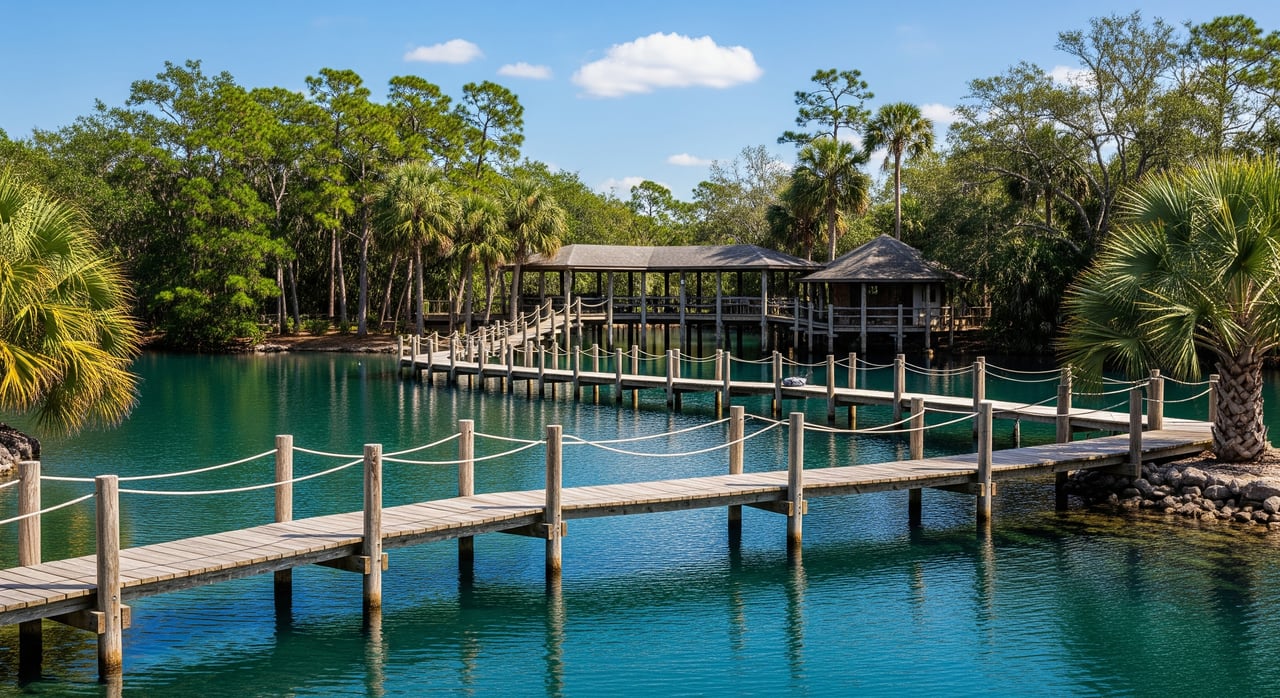
You will hear locals refer to the Henderson and Hernando pools, where anglers target largemouth bass and boaters enjoy varied water. Downtown, you have access to waterfront parks and launches, including Cooter Pond Park, with boardwalks and a canoe and kayak launch. The Withlacoochee State Trail runs through the area and is a favorite for biking and walking after a morning on the water.
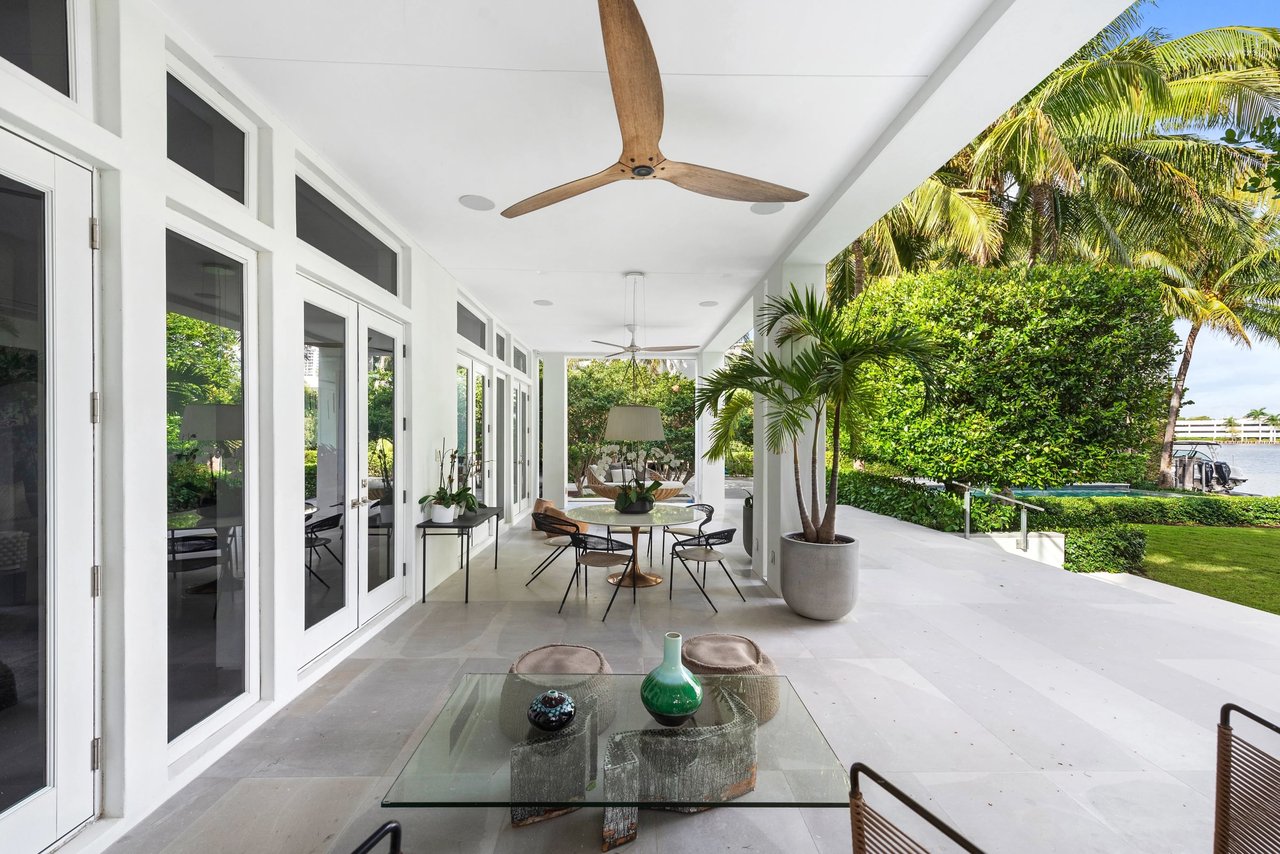
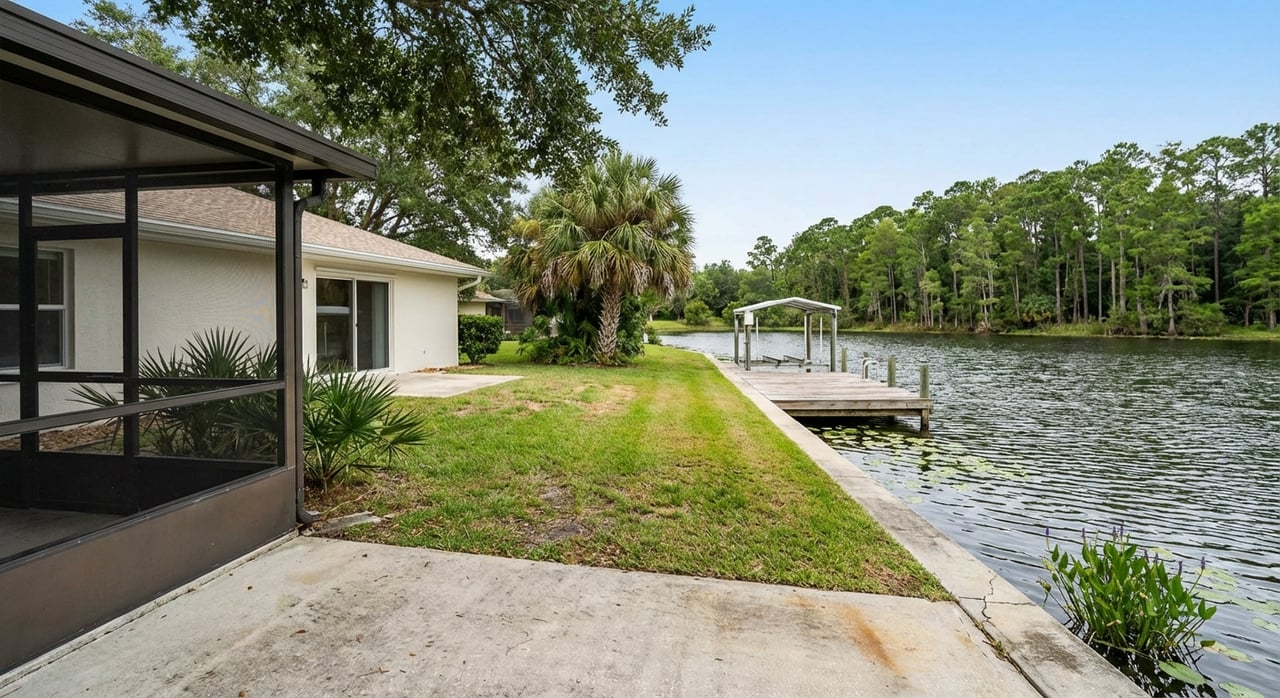
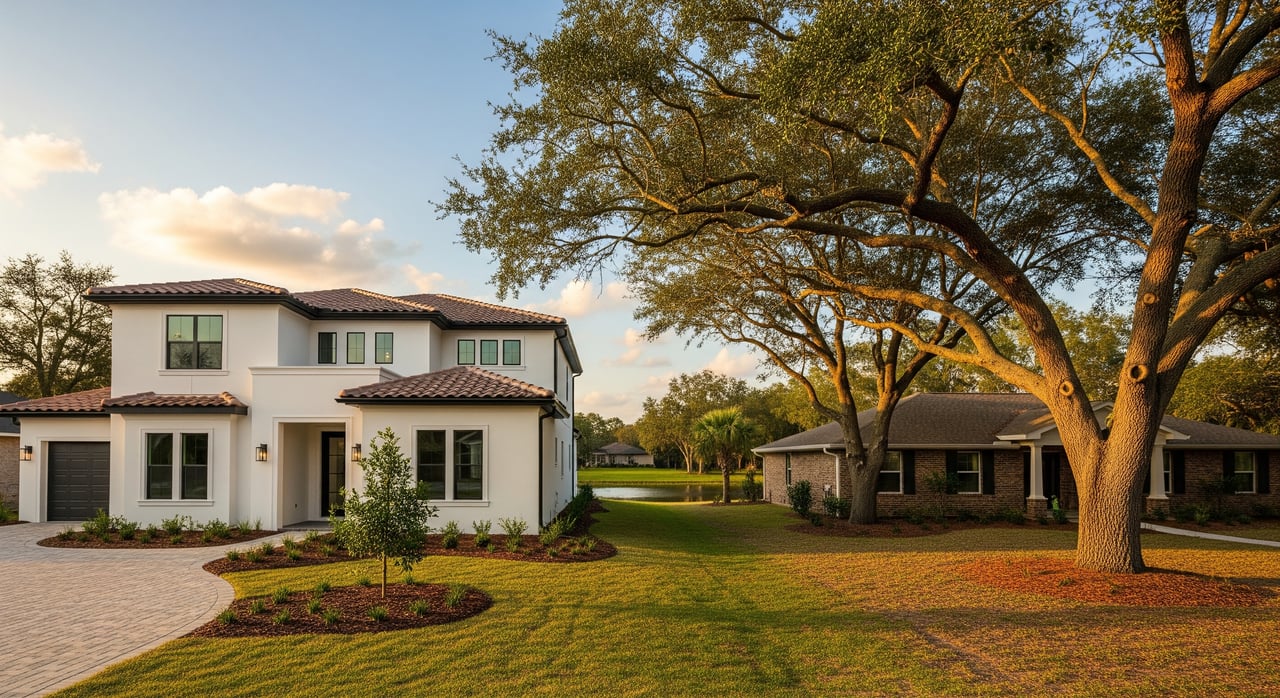
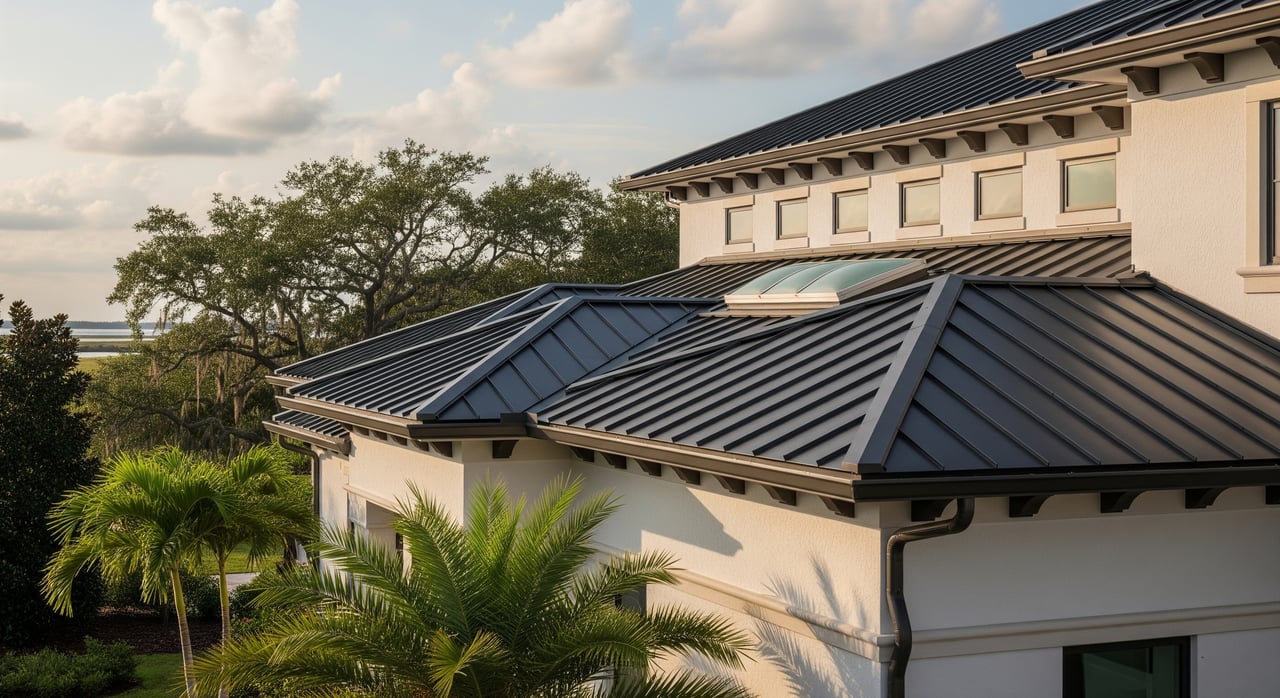
Waterfront listings around Inverness often include mid‑century block and stucco ranch homes, cozy single‑story cottages, and newer or renovated homes with screened lanais. You will also see practical features like metal or architectural shingle roofs and covered boat storage. Many sellers highlight “high and dry” lots, which can reduce flood concerns compared with lower, marsh‑edge parcels.
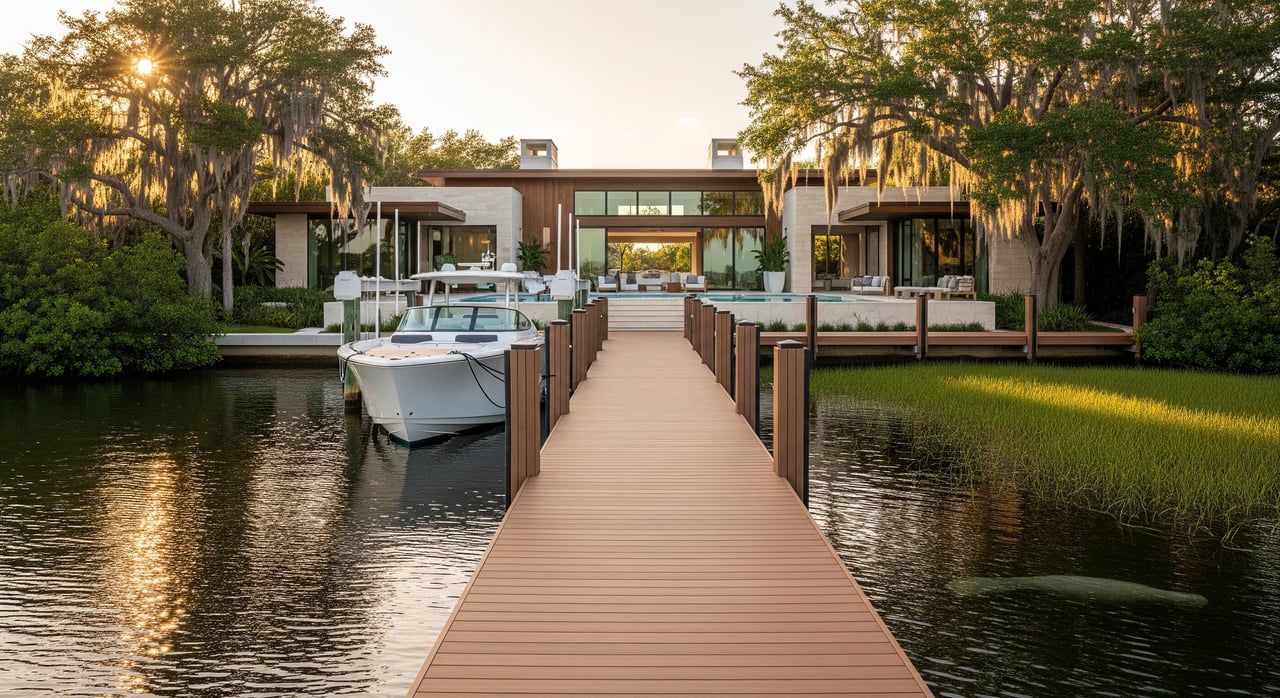
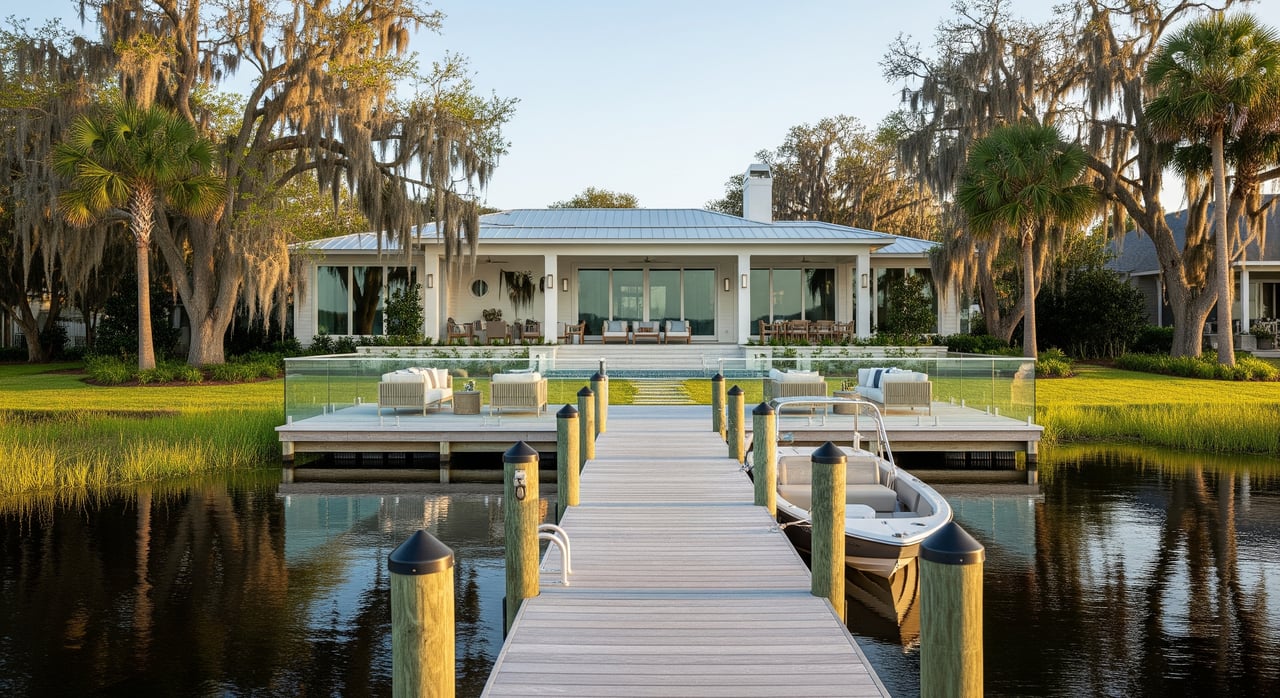
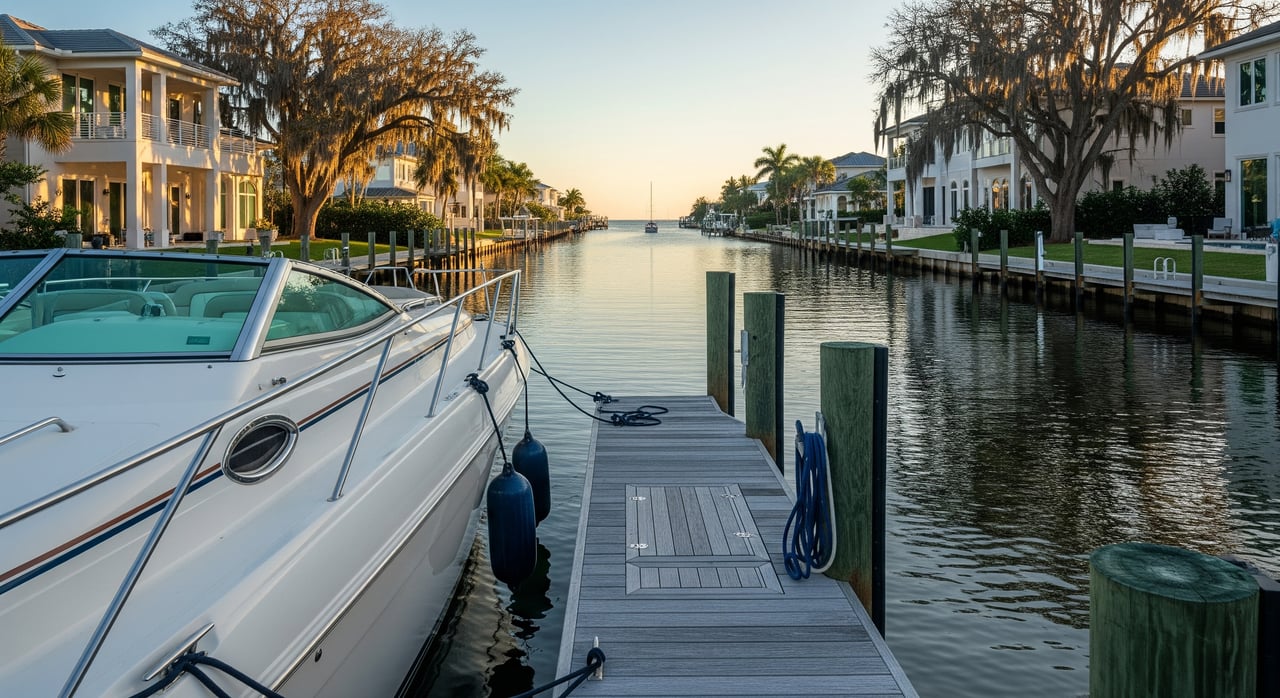
Lots range from narrow canal‑front parcels to broad open‑lake frontage. Typical amenities include private docks, boat lifts, and sometimes boat houses or covered slips if permitted. Actual shoreline can vary by plat and riparian lines, and some parcels include native vegetation or wetlands buffers. Do not assume you can add a dock or replace a seawall without permits. Always verify what is allowed for the parcel you are buying.
Utility service varies by location. Near downtown Inverness, municipal water and sewer are more common. In outlying areas, many lakefront lots still use well and septic. The region has seen septic‑to‑sewer projects to help protect water quality near the Tsala Apopka lakes. Before you write an offer, confirm whether a property is on city sewer or septic and ask about any planned conversions or assessments in the area. You can review examples of funding requests for local septic‑to‑sewer corridors on the Florida Senate site here.
On the Tsala Apopka Chain, you will find a mix of open water, vegetated coves, and slow canals. Serious bass anglers value these lakes for tournaments and year‑round action. Paddlers love the quieter backwaters and canals, while powerboaters enjoy varied runs and wildlife viewing. Water depth and aquatic vegetation change by pool and season, so your boat choice and draft matter. Many local bait shops, fish camps, and public ramps serve the area.
Lake Panasoffkee in Sumter County is a separate destination about a 15 to 25 minute drive from Inverness. It is spring‑fed, very shallow in many areas, and more marshy. Lake Panasoffkee (Sumter County) is a shallow, spring‑fed lake where depths commonly are under about 4 feet in many areas; it’s excellent for crappie but requires low‑draft boats. You will still find public ramps and plenty of shore‑based recreation, including a large protected area managed for wildlife. If you prefer small, low‑draft boats, jon boats, or kayaks, Panasoffkee might fit your style. If you want longer runs and a mix of marsh and open water, Inverness may suit you better.
Buying on an inland lake feels different from coastal ownership, but you should still plan carefully for risk and upkeep.
Inverness is known for a nature‑focused freshwater lifestyle at approachable prices compared with bigger coastal metros. Typical home values in Inverness have been in the low‑to‑mid $200k range in recent Zillow data, making the area relatively affordable compared with nearby coastal metro markets. Use this as a framing point, then rely on current comps and a detailed market review during your search.
Use this quick checklist to stay organized before and during your search:
Choose Inverness if you want a blend of open water and marsh, easy access to downtown parks and trails, and strong bass fishing. Consider Lake Panasoffkee if you prefer very shallow, spring‑fed water, crappie fishing, and boating that favors low‑draft craft. Many buyers tour both and decide based on boat type, how they plan to use the water, and which shoreline setting feels right. Since the lakes are about a 15 to 25 minute drive apart, you can compare them in a single day.
If you are dreaming of mornings on the dock and evenings on the trail, let’s map out the right lake, lot type, and budget for you. From flood zones and permits to dock conditions and insurance, you will have clear answers at every step. Reach out to Michael Brown to schedule a free consultation.
Stay up to date on the latest real estate trends.
Work with top real estate experts in Florida. Whether you're buying or selling a home, they’re here to help. Get in touch today to begin your home search!