*

Leave a Message

Thank you for your message. We will be in touch with you shortly.

New Construction vs Resale In Citrus Springs

Thinking about a brand-new build or a well-kept resale in Citrus Springs? You are not alone. The choice affects your timeline, budget, ongoing costs, and peace of mind. In this guide, you will get a clear, local comparison with practical checklists and steps to verify details before you commit. Let’s dive in.

New construction vs resale in Citrus Springs

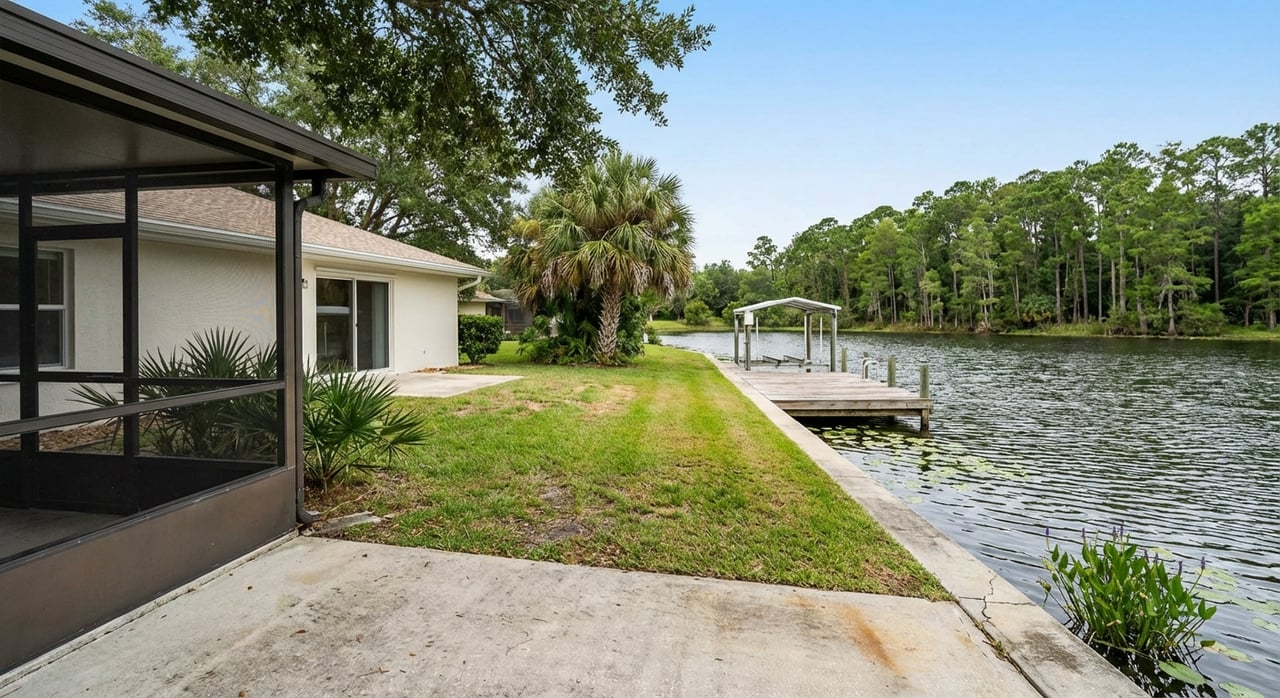
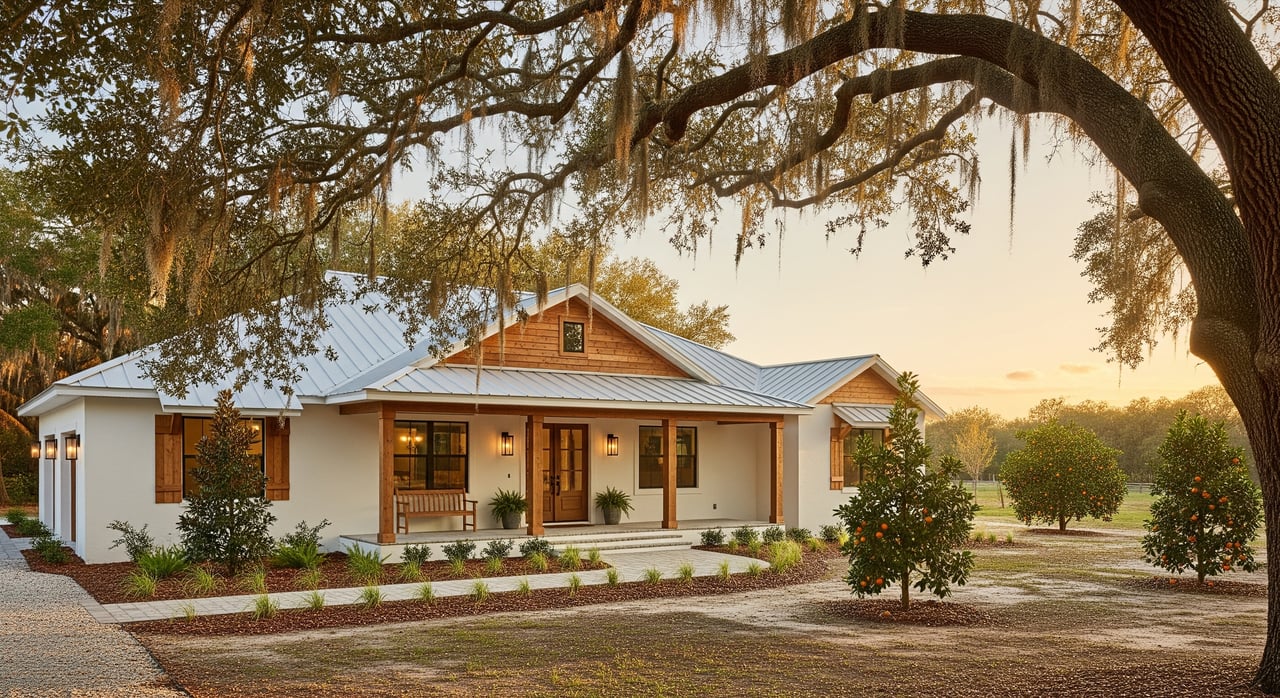
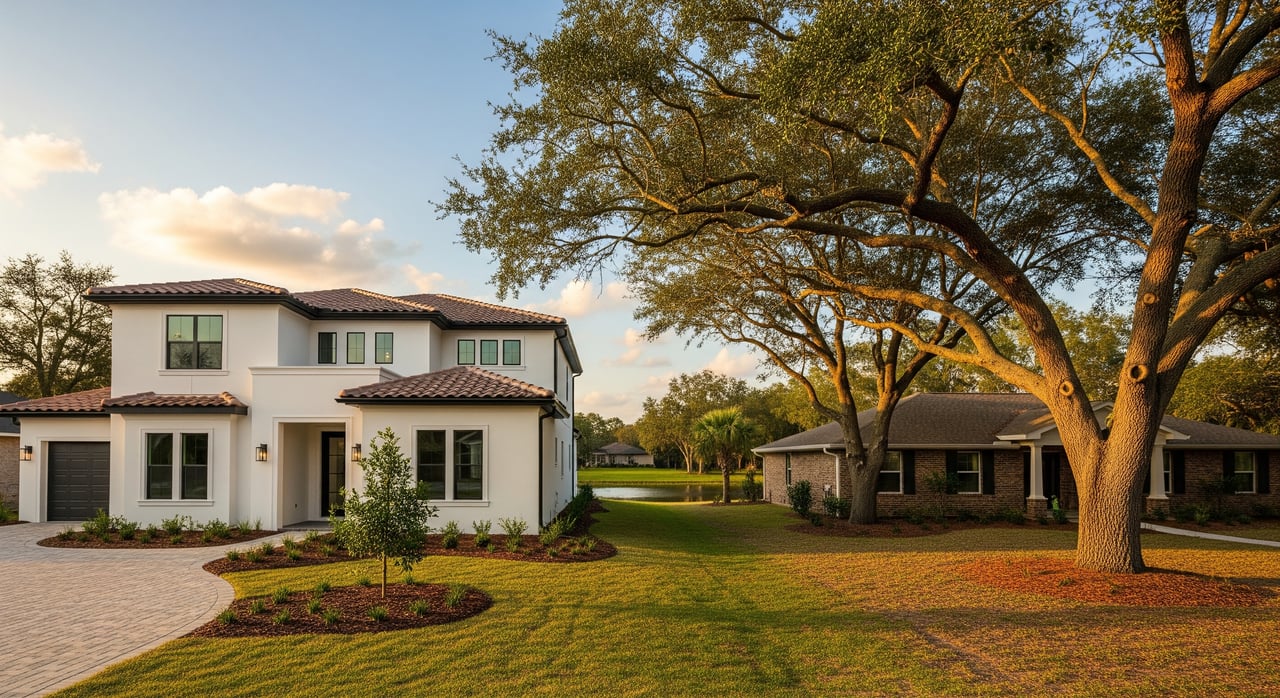
Citrus Springs includes older, established neighborhoods from the 1970s through the 2000s and newer single-family developments on the edges of the community. Older homes often sit on larger lots with mature landscaping. Newer subdivisions typically offer modern floorplans on smaller, developer-platted lots.

Your ideal choice depends on how fast you need to move, how much customization you want, and your comfort with construction timelines versus existing-home conditions. The sections below walk you through the tradeoffs.

Timeline and closing speed

New construction timelines

Build times vary. Inventory or spec homes can be ready in a few months, while build-to-order or semi-custom homes often take 6 to 12 months or more. Weather, permits, and material availability can add weeks or months. Ask the builder for an estimated completion date in writing, request regular progress updates, and discuss remedies if delays occur. For general background on build processes and timelines, review guidance from the National Association of Home Builders.

Resale timelines

Resale purchases usually follow a standard contract path with inspections, appraisal, and mortgage underwriting. Many financed closings happen in 30 to 60 days, depending on lender and seller timing. There are no construction delays, although a seller might need time to secure their next home.

Warranties and protections

New-build warranty layers

Most production builders use a layered warranty model, often 1 year on workmanship, 2 years on systems, and up to 10 years on structural components. Always request warranty documents, coverage terms, and the escalation process in writing. For a typical coverage structure, see the industry model from 2-10 Home Buyers Warranty.

Resale buyer protections

Resale properties do not come with an implied builder warranty. Your protections come from the seller’s disclosures, strong inspection contingencies, and possibly a home warranty plan if offered. Hire an independent inspector, and verify the age and permit history of major systems before you finalize.

Lots, flood zones, and land costs

Builders often charge a lot premium for desirable locations like preserve views, cul-de-sacs, larger lots, or corner locations. Premiums can range from a few thousand dollars to tens of thousands. Compare the total package price, which includes base price plus options plus lot premium, to recent resale sales on similar lots.

CDD and HOA rules can affect your yard use and costs. Ask for community maps, easements, landscaping rules, and any additional assessments before you sign.

Price, appraisal, and long-term value

New builds may carry a premium for brand-new systems, energy code compliance, and warranties. Resales are typically priced by comparable sales and condition. If you choose many upgrades or a high lot premium in a new community, the full cost may not be supported by nearby comps. That can create appraisal risk during financing, so plan ahead and review recent sales with your agent and lender. For statewide market context, follow updates from Florida Realtors.

Upfront and ongoing costs

Upfront costs

  • New construction: Options and upgrades, landscaping or sod, window coverings, irrigation, and sometimes impact or capacity fees. Confirm all line items in the builder’s price sheet and contract.
  • Resale: Possible immediate work such as roof, HVAC, appliances, or pest treatment. Use inspections and repair estimates to budget.

Insurance and taxes

Florida homeowner and wind coverage can be higher than the national average. Premiums vary by roof age, location, and flood zone. Get quotes early from your insurer and consider availability and rates information from the Florida Office of Insurance Regulation and Citizens Property Insurance Corporation. Verify tax history and assessments using the Citrus County Property Appraiser.

HOA and CDD

Newer subdivisions often have HOAs, and some include CDDs that appear on your tax bill. Request CCRs, budgets, and fee schedules before you commit. County resources at the Citrus County Board of County Commissioners can also help you locate permit and utility information.

Energy code and durability

New homes must meet current Florida Building Code requirements, which include wind resistance and energy efficiency standards. Many offer improved insulation, windows, and HVAC performance that can reduce utility costs. Ask for specification sheets showing insulation R-values, window ratings, and HVAC SEER. Learn more about code requirements via the Florida Building Code.

Community maturity and resale

Established neighborhoods offer mature trees and a settled streetscape. Newer communities may take time to build out, and early resale comps can be limited. Some buyers prefer modern layouts and low maintenance. Others value lot size and landscape. A balanced view of both can help you project your future resale options.

Florida-specific risks in Citrus Springs

  • Flooding and storms: Use the FEMA Flood Map Service Center to evaluate flood risk and plan for potential flood insurance.
  • Builder solvency and warranty backup: Review a builder’s local permit history through Building Services and confirm warranty providers in writing.
  • Utilities and septic: Verify whether a property uses public utilities or well and septic. Confirm service availability, permits, and any recent inspections with county records.

Due diligence checklists

New construction: what to get before signing

  • Itemized price sheet and contract with base price, options, lot premium, and any closing costs covered
  • Estimated completion date and remedies for delays
  • Warranty documents and escalation steps
  • Plans, specifications, and energy details
  • Permit numbers and inspection sign-offs via Building Services
  • HOA and CDD documents, CCRs, fee schedules, and budgets
  • Evidence of builder licensing and insurance
  • Lien waiver process and change order policy
  • A clause allowing pre-drywall and final independent inspections

Resale: questions and documents to review

  • Seller disclosures and any recent inspection reports
  • Age and permit history for roof, HVAC, water heater, and renovations
  • Termite or pest inspection history, septic inspection if applicable, and any available survey
  • HOA documents and meeting minutes if applicable
  • Estimated repair costs for immediate needs

Items to verify for both

  • Flood zone and a flood insurance quote using the FEMA map
  • Recent comparable sales for appraisal support
  • Title commitment and a closing cost estimate
  • Tax history and assessed values through the Property Appraiser

Decision guide: which path fits you best?

  • First-time buyer on a modest budget, needs to move within 2 to 3 months: A resale often fits best because of faster closing. Focus on move-in ready listings and negotiate repairs through inspection.
  • Move-up buyer who values low maintenance, efficiency, and modern layout, flexible on timing: New construction or a recent resale from the last 5 to 10 years can work. If customization matters, a builder community lets you choose finishes.
  • Buyer who wants a larger yard or preserve view: Older resales may offer larger lots and mature landscaping. If you prefer a premium new lot, include the lot premium and potential appraisal risk in your total budget.
  • Investor focused on rental yield: Compare cap rates after insurance, taxes, and HOA or CDD fees. New builds may have lower maintenance at first, while resales might offer stronger cash-on-cash returns depending on price and rents.
  • Buyer focused on storm resilience and insurance costs: Favor newer code-built homes, verify roof age and any hurricane-rated features on resales, and secure insurance quotes early using insights from the Florida Office of Insurance Regulation and Citizens.

How to research current Citrus Springs options

  • Ask your agent to run side-by-side MLS searches for new construction, recent builds, and established resales in Citrus Springs and neighboring areas of Citrus County.
  • Use the Citrus County Property Appraiser to confirm lot size, assessed values, and prior sales.
  • Verify permits, builder activity, and inspection status through Building Services.
  • If schools are part of your decision, confirm boundaries and bus routes with the Citrus County School District.

Next steps

Both paths can be smart in Citrus Springs. If you want speed and value, a well-maintained resale might be ideal. If you prefer modern design, strong energy performance, and warranty coverage, a new build can make sense as long as you plan for timelines and premiums. When you are ready to compare real listings and numbers side by side, reach out to Michael Brown for a local, no-pressure consultation.

FAQs

How long does a new construction build take in Citrus Springs?

  • Build times range from a few months for inventory homes to 6 to 12 months or more for build-to-order, with possible delays from permits, weather, and materials; see general process guidance from the National Association of Home Builders.

What is a lot premium and how do I evaluate it?

  • A lot premium is an extra cost for a more desirable homesite; compare the builder’s base price plus options plus lot premium to recent resales on similar lots using the Property Appraiser for lot size and the county’s Building Services for context.

How does flood zone status affect my purchase in Citrus Springs?

  • Lenders often require flood insurance in higher-risk zones; check the property on the FEMA Flood Map Service Center and obtain quotes early, since premiums can impact monthly costs.

Do I still need an inspection on a brand-new home?

  • Yes, hire an independent inspector at pre-drywall and final walk; new homes can have installation or drainage issues, and inspections help you use the builder warranty effectively.

Are HOA or CDD fees common in newer Citrus Springs communities?

How do insurance costs compare for new builds vs resales in Citrus County?

Your Home Journey Starts Here

Work with top real estate experts in Florida. Whether you're buying or selling a home, they’re here to help. Get in touch today to begin your home search!