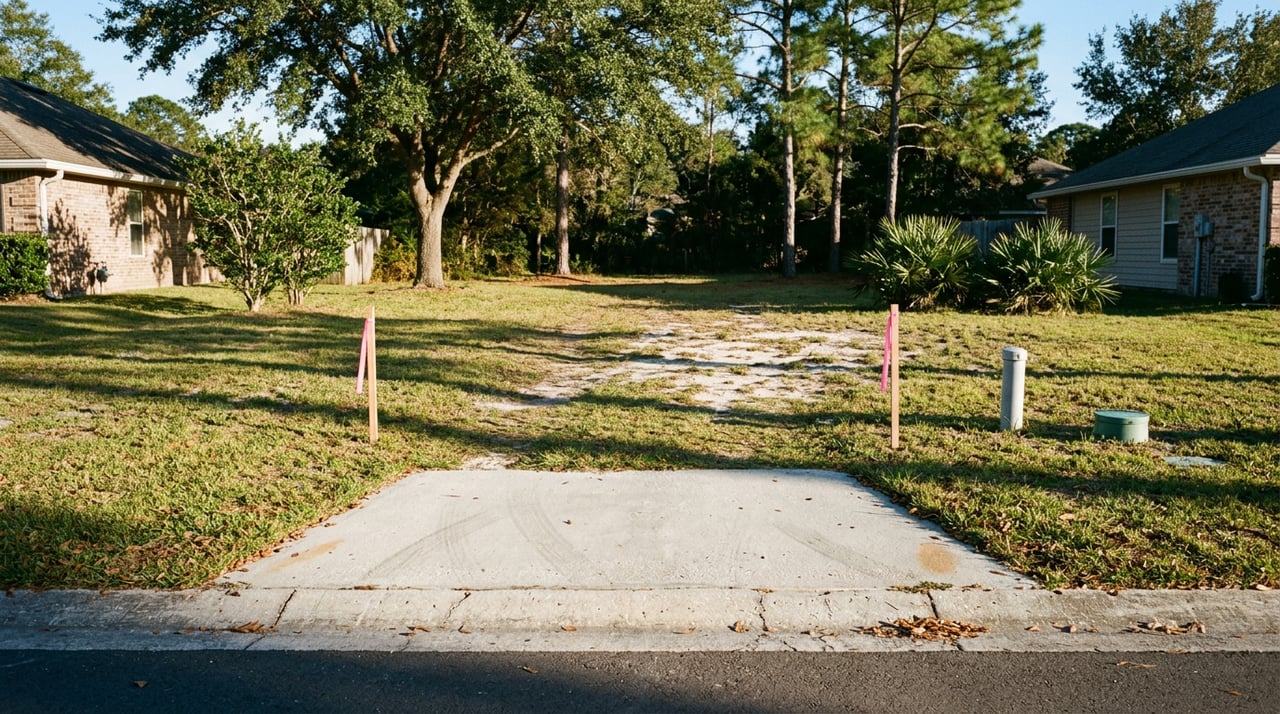
Buying A Vacant Lot In Citrus Springs: Step-By-Step Guide
Thinking about snagging a low-cost lot in Citrus Springs to build or invest? Buying land is different from buying a home, and small details can make or break your plan. This step-by-step guide walks you through how to vet any Citrus Springs parcel for zoning, utilities, flood risk, septic feasibility, timelines, and costs. Follow these steps to move from listing to build-ready with confidence. Let’s dive in.
Citrus Springs offers many platted residential lots, often around 0.20 to 0.50 acre, with list prices that commonly appear in the low tens of thousands of dollars. Inventory changes fast, so confirm current pricing in the MLS before you act. Many buyers like the simplicity of a small homesite and the slower pace of the Nature Coast.
Also note the local Citrus Springs Municipal Service Benefit Unit (MSBU). This MSBU can assess annual fees for services like roads and beautification once certain conditions are met. The ordinance sets caps, including an improved lot maximum of $35 per year, so check your parcel’s status and the current rules in the county ordinance before you budget. See the MSBU ordinance for details and definitions.
Begin every inquiry with the parcel ID. Use the Citrus County Property Appraiser to confirm owner name, legal description, assessed value, and the recorded plat reference. Save the parcel ID so you can use it across all county portals.
Open the Citrus County GIS viewer to see parcel boundaries, nearby roads, and county overlays. Use the flood, wetlands, and land-use layers to flag early issues. Note whether the road at the lot frontage appears platted and whether it is shown as county maintained or private.
Ask the seller if the lot is inside the Citrus Springs MSBU and whether assessments are active. MSBU charges can start after public improvements, such as when a drivable road abuts the lot. Road acceptance status can also affect permits and services, so verify the road’s status with the county.
Zoning and utility availability determine what you can build and the minimum lot area you need. The Citrus County Land Development Code states that where central water and sewer are not available, typical minimum lot area for residential development is about 0.5 acre. There are exceptions and different rules when central utilities serve the lot. Always verify your parcel’s zoning district and utility situation in the LDC before you write an offer.
Setbacks shape your buildable area and can differ on local roads compared to collector or arterial roads. Minimum lot width and frontage rules also apply. Confirm where a driveway can go and whether you need a culvert for your access.
If the parcel is in a FEMA Special Flood Hazard Area, the county may require elevation certificates, higher finished-floor elevations, and added stormwater measures during permitting. Lenders can require flood insurance in higher-risk zones. Look up your parcel’s flood designation in the county’s Forerunner portal.
If wetlands or surface waters are present, you may need an Environmental Resource Permit from the Southwest Florida Water Management District. This can add time and engineering costs and, in some cases, mitigation. Have an environmental professional walk the lot if the GIS viewer or your site visit raises flags.
Citrus County includes karst-sensitive areas where shallow limestone and sinkhole activity are possible. The LDC has added criteria for stormwater design and limits on excavation in these zones. Expect to involve an engineer if your parcel is within mapped karst-sensitive areas or near springsheds.
If your lot will use onsite sewage, a septic site evaluation and soil testing are essential. The Florida Department of Health in Citrus County handles septic permitting and inspections and can explain current rules and setbacks. Do not assume a small lot will accept a conventional drain field. An engineered system can change your budget and layout.
Ask Citrus County Water Resources whether central water or sewer is available at your frontage, whether connection is required, and what fees apply. The county’s published rate and fee schedules can help you estimate costs, but always confirm current amounts directly with Utilities.
Confirm which electric utility serves the lot, whether a transformer is nearby, and whether a line extension is needed. In Citrus County, service is commonly provided by the local electric cooperative or an investor-owned utility. Request any line-extension estimates and timelines in writing so you can budget and schedule accordingly.
Land deals need more time and tests than typical home purchases. Many buyers allow 15 to 45 days for due diligence so there is time for surveys, title review, septic and soil checks, and utility confirmations. Build a realistic window into your contract.
Include these contingencies at minimum:
Title commitment. Review exceptions, easements, and any special assessments or covenants that may affect use or access. Have the title agent pull payoff and lien searches.
Boundary survey. Get a staked and certified survey that shows easements, right-of-way lines, and a likely driveway location. If you plan to finance, ask for an ALTA/NSPS or other lender-acceptable format.
Septic and well checks. Hire a septic designer or engineer for soil testing and layout. If a well is needed, discuss depth expectations and water testing with a local driller.
Utilities. Confirm water and sewer status with Citrus County Water Resources and ask about meter set procedures. Verify electric provider, available capacity, and any required line extensions.
Flood and elevation. If the parcel is in a mapped flood zone, order or retrieve an elevation certificate and get preliminary input on insurance impacts.
Environmental review. If any wetland flags or surface waters appear on maps or on site, schedule a wetland consultant and contact SWFWMD about ERP needs.
Permitting path. When your site plan is clear, talk with Citrus County Growth Management about the building permit steps and submittal checklists.
When you are ready, submit your plans to Citrus County Growth Management. The county will review setbacks, stormwater, erosion control, and any floodplain requirements. If your project affects wetlands, springsheds, or karst-sensitive areas, coordinate with SWFWMD and the county early to reduce resubmittals.
Ready to find and vet the right lot in Citrus Springs? Get local guidance that saves time and reduces risk. Schedule a free consultation with Michael Brown to map your parcel’s path from listing to build-ready.
References and helpful links used in this guide:
Stay up to date on the latest real estate trends.






Work with top real estate experts in Florida. Whether you're buying or selling a home, they’re here to help. Get in touch today to begin your home search!